
Some of the links on this website are affiliate links. This means that I may receive a small payment if you click on them.
Today we’re going to talk about ten ways to save money on your water bill. I also have some posts on ways to save money on your Electricity Bill or Gas Bill, that you might like. Let’s get started with ways to save money on water.
1. Fix Leaks
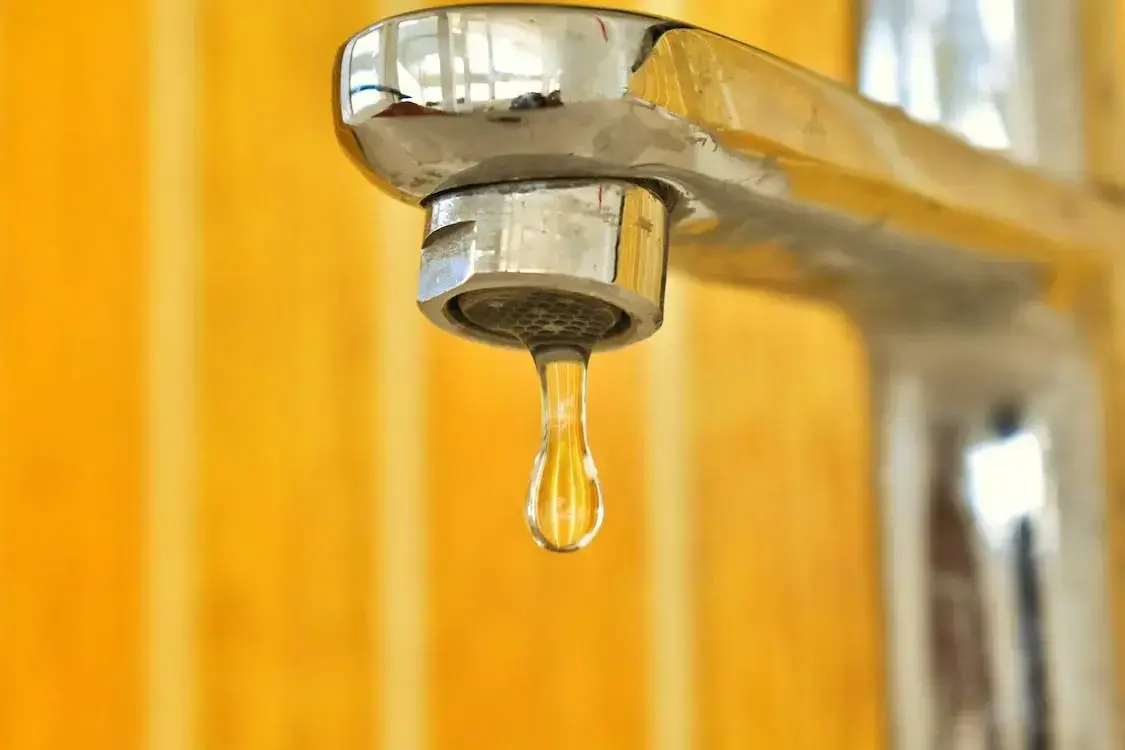
It might sound obvious, but many leaks go unnoticed because they seem small or insignificant. However, don’t be fooled by their size.
According to Waterwise, a UK water efficiency authority, a dripping tap can waste more than 5,300 litres of water a year. That’s enough to fill a paddling pool every week for the entire summer!
If you suspect a leak but can’t find it, consider calling a plumber or your local water authority. Some water companies in the UK offer free leak detection and repair services for their customers.
By regularly checking for leaks and addressing them promptly, you’ll be taking a significant first step to save money on your water bill.
2. Water-Saving Appliances
With technological advancements, many modern appliances are designed to be much more water-efficient than their older counterparts. Let’s break this down with some specific money saving appliances.
Showerheads:
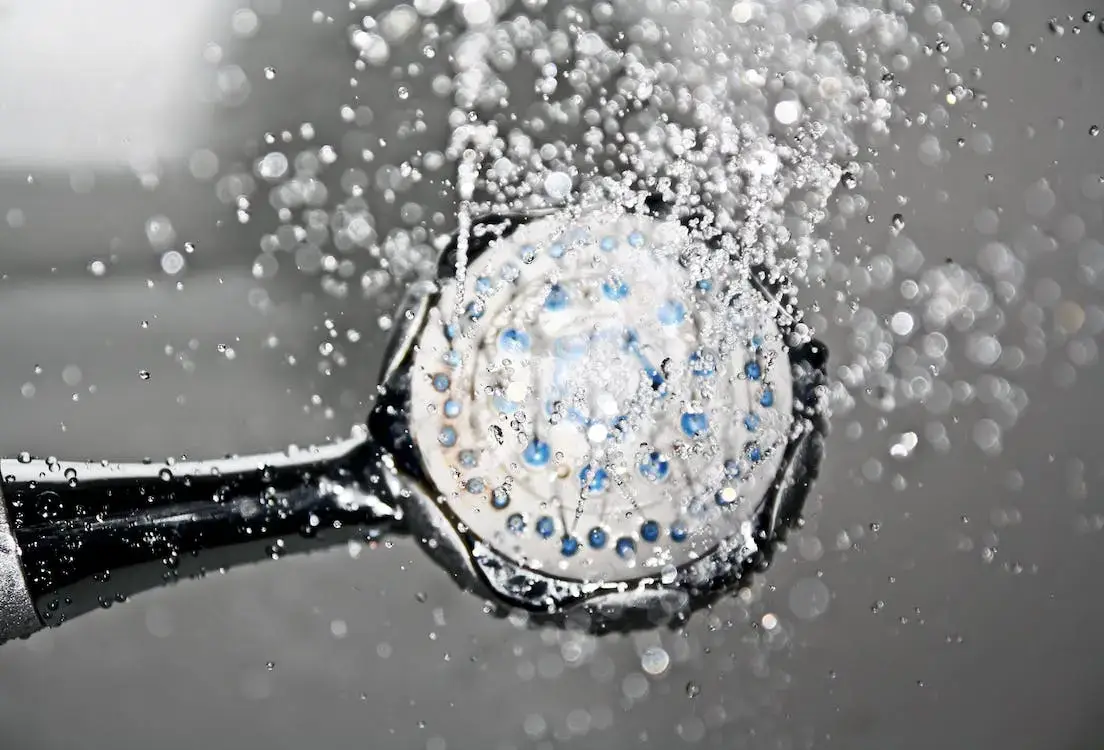
Traditional shower heads can use anywhere between 12 to 15 litres of water per minute. In contrast, water-efficient showerheads, like aerated or low-flow models, reduce this number significantly, often to below 7 litres per minute, without compromising your shower’s performance. This means you could potentially cut your water usage in the shower by almost half!
Taps:
Similarly, installing aerators on your taps can reduce the flow rate, resulting in less water used each time you turn on the tap. This is particularly useful in areas like the kitchen or bathroom, where water use can be high.
Appliances:
When it comes to larger appliances, opt for those with high energy-efficiency ratings. For instance, a washing machine with an A+++ rating uses less water per wash cycle compared to one with a lower rating. Similarly, modern dishwashers often have eco-friendly settings that use less water and energy.
These investments may have a higher upfront cost, but they pay off in the long run through the water and energy savings you’ll enjoy, reducing both your water and energy bills. Many utility companies in the UK offer grants or rebates for the purchase of high-efficiency appliances, so be sure to check what’s available in your area!
3. Shorter Showers

A typical shower can use anywhere between 10-15 litres of water per minute, so even reducing your shower time by just a few minutes can make a significant difference.
Consider setting a timer to remind you when it’s time to finish up. Alternatively, you can turn the water off while you lather up and then turn it back on to rinse off – it’s what we call a ‘navy shower‘.
4. Efficient Dishwasher Usage
Dishwashers, especially modern, energy-efficient ones, can use less water than washing dishes by hand. The key is to only run your dishwasher when it’s full. Also, use the economy setting if it’s available. It uses less water and energy, but still gets your dishes clean and means you get to save money on your water bill.
5. Collect Rainwater

The fifth tip is all about making the most of the UK’s rainy weather by collecting rainwater. Installing a water butt in your garden is an easy way to collect and store rainwater that can be used for things like watering your plants or washing your car. This not only saves tap water but also provides your plants with soft, chemical-free water, which they love!
6. Efficient Gardening

Use a watering can instead of a hose to water your plants, and do so early in the morning or late in the evening to minimise evaporation. Mulching around your plants can also help retain moisture in the soil. And consider planting native or drought-tolerant plants that require less watering.
7. Reuse Water
For example, if you have leftover water from boiling vegetables, let it cool and use it to water your plants. Or if you’re waiting for the shower water to heat up, collect the cold water in a bucket and use it to flush the toilet or water your plants.
8. Insulate Pipes
This can help reduce the amount of time it takes for your water to heat up, which means you’ll waste less water waiting for it to get hot. It also has the added benefit of preventing your pipes from freezing during the winter.
9. Reduce Flushing
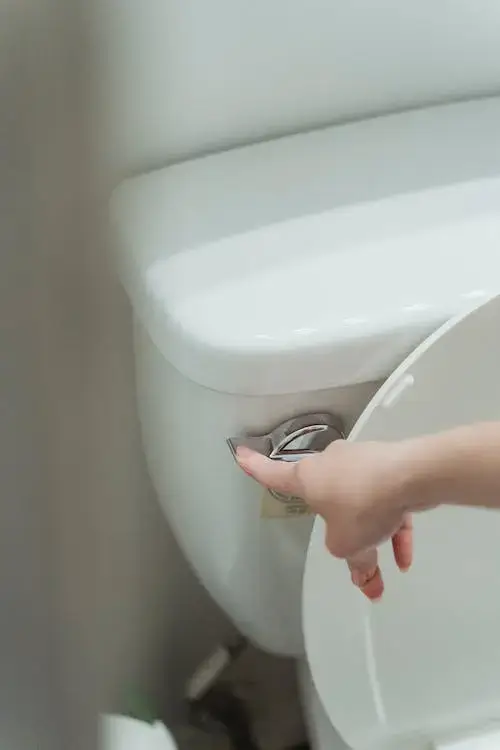
Did you know that flushing toilets can make up about 30% of household water use? Consider installing a dual-flush toilet, which uses less water for liquid waste. If that’s not an option, you can place a cistern displacement device in your toilet cistern to reduce the amount of water used per flush.
10. Monitor Metre Readings
A sudden, unexplained increase in water usage could indicate a leak that you’re not aware of. Most water companies in the UK provide online tools that allow you to monitor your water usage, helping you catch any unusual activity as soon as possible.
You can check out my whole range of saving money posts here for lots of different personal finance tips.