
Some of the links on this website are affiliate links. This means that I may receive a small payment if you click on them.
The energy price cap in April 2022 caused panic amongst many UK households as gas and electricity prices soared.
Unfortunately, the situation is set to worsen with further huge increases expected in October.
As a result, many of us are looking for ways to reduce our energy consumption to try and cushion the blow as much as possible.
But do you know which appliances are actually costing you the most money to use?
We’ve done a little digging to find out how much it costs on average, to run the most common household appliances.
(obviously there are many variables in play here – your supplier’s energy prices, the size and model of your appliance etc… but just to give you an idea.)
You might also enjoy…100 Ways to Save Energy at Home
Here are 10 common household appliances and their energy consumption.
(source: CSE.org.uk note: I used CSE’s appliance consumption figure but used 28p as the average unit rate to reflect the April increase).
Table of Contents
Household Appliances and their Energy Consumption & Costs

Electric Shower
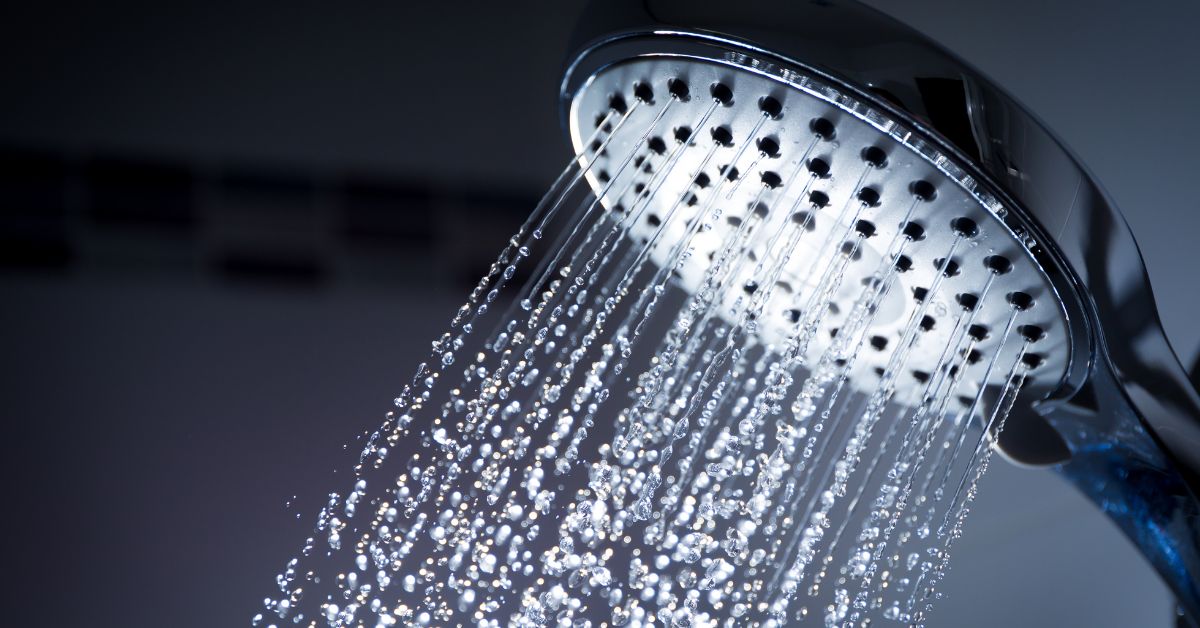
You may or may not be surprised to learn that the electric shower is the costliest appliance on the list.
So if you have an electric shower, you might want to put yourself on a timer and cut down the amount of time you spend under the water.
A ten minute shower costs between 33p and 49p.
Stay in there for half hour and you’ll be forking out between 99p and £1.47!
A per hour cost of £1.96-£2.94.
Tips for reducing your usage
- Set a timer and reduce the amount of time spent in the shower.
- Purchase a water efficient shower head.
Kettle
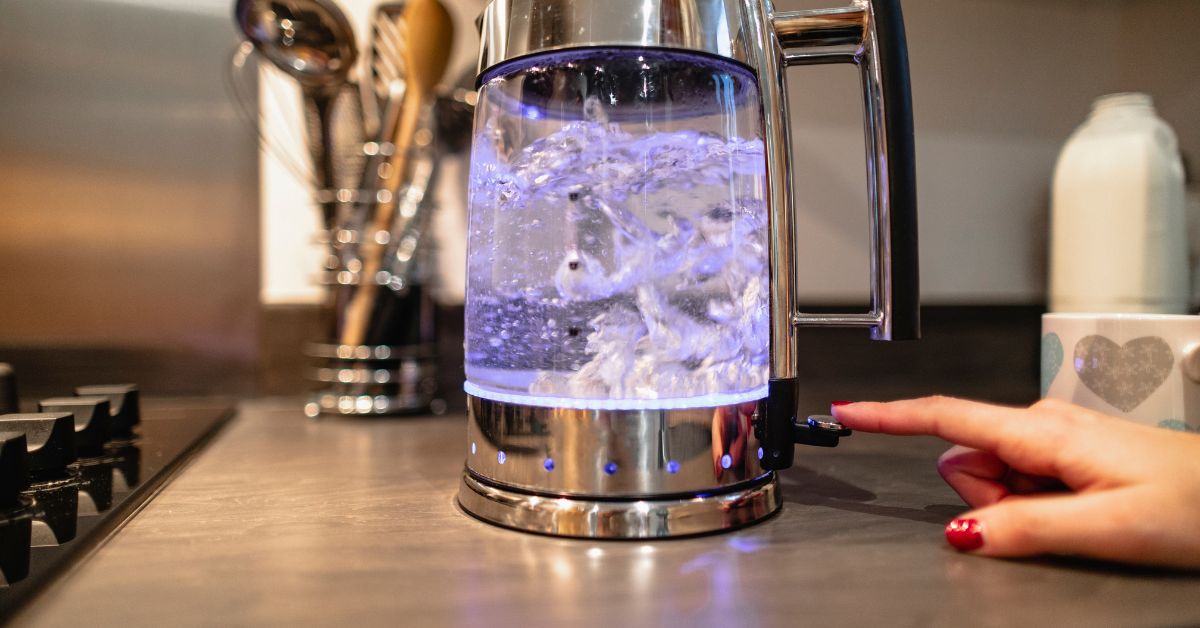
I was surprised to find that the kettle uses so much energy – an average power rating of 3000w (which is the same as a tumble dryer!).
Obviously, it doesn’t boil for hours at a time so the per use cost is much less – but if you drink lots of tea or coffee it could add up throughout the day.
A per hour cost of £0.84.
Tips for reducing your usage
- Only boil what you need.
- If you boil too much store the excess in a flask to use later instead of re-boiling.
- Descale regularly – clean appliances don’t have to work as hard!
Tumble Dryer
Hopefully during the summer months you’ll be able to stop using your tumble dryer completely and save some money.
But when you do use it, here are the average costs:
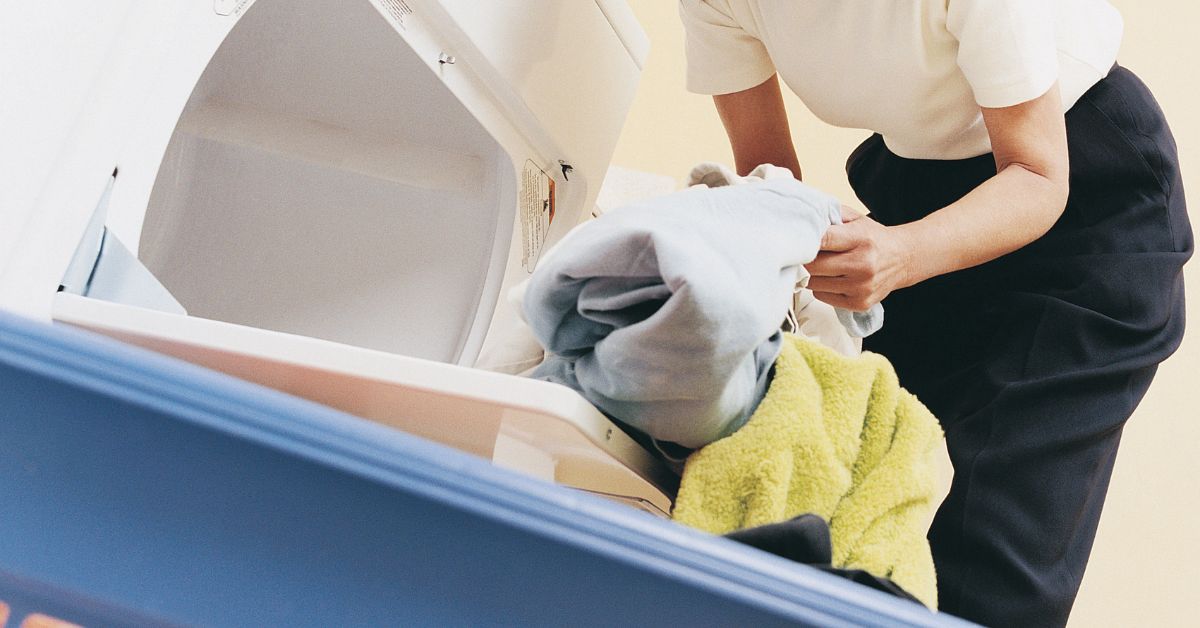
10 minutes will cost you 9-14p
A per hour cost of £0.56-£0.84
Meaning the average 90 minute load will cost you £0.84-£1.26
The average family of 4 will do 8-10 washloads a week so that tumble dryer usage can quickly add up.
…and that’s before we account for the cost of running the washing machine!
Tips for reducing your usage
- Dry clothes outside where possible.
- Pop a dry towel in for 15 minutes to absorb some of the moisture.
- Clean the lint and filter regularly.
- Don’t overfill – large loads take longer to dry, try hanging small delicate items to air dry instead.
Washing Machine
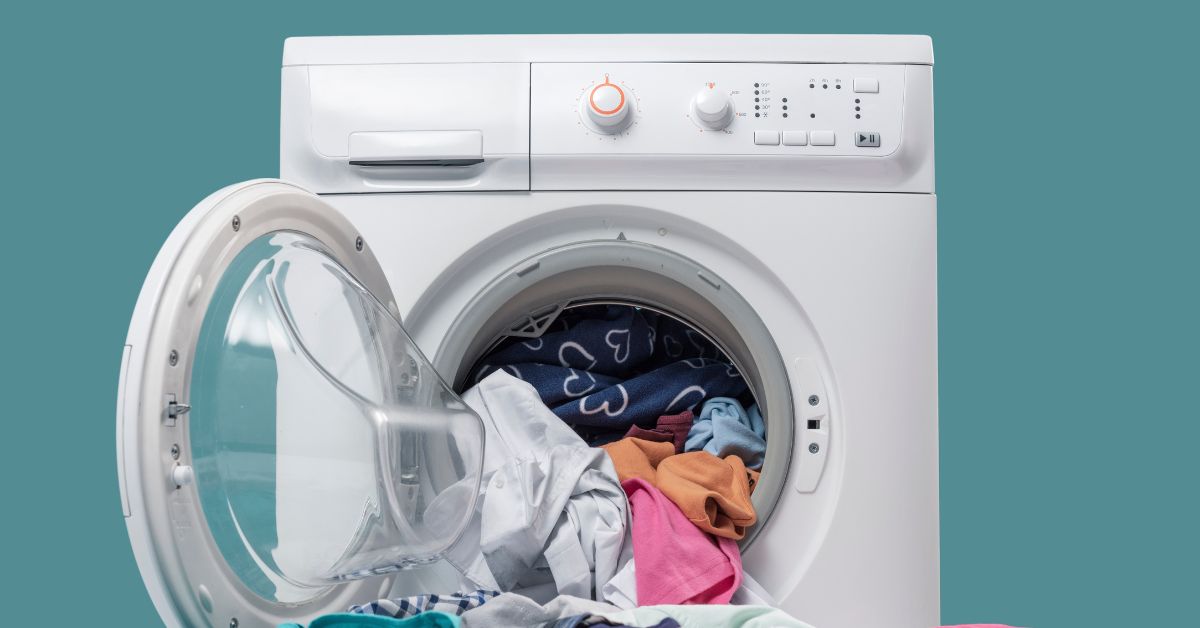
A wash cycle will usually take between 50 and 60 minutes to complete.
A per hour cost of £0.34-£0.84
Meaning if you do 10 washloads a week, on an hour cycle and 90 minute drying time you could be forking out up to £21 a week just to clean your clothes (and that’s without the cost of water and detergent).
Of course this will vary depending on the capacity of the machine, energy rating and program – if your clothes just need refreshing and aren’t heavily soiled a 20 minute quick wash at a lower temperature will reduce this cost greatly.
Tips for reducing your usage
- Use the correct cycle – dirty clothes will need a more intensive program, but a quick refresh can be done on a short cycle.
- Turn down the temperature.
- Clean your filter, detergent drawer and seal regularly to ensure optimum efficiency.

Plasma TV
According to Ofcom, the average person in the UK watches 3 hours and 46 minutes of TV per day.
The per hour cost is £0.08-£0.13
Meaning a week of TV will cost around £2.11-£3.43.
Tips for reducing your usage
- Ensure the TV is switched off at the wall and not left on standby when not in use.
- Aim to turn the TV off an hour earlier each night and use the time to relax or perhaps read before bed instead (blue light is proven to be bad for your sleep anyway!).
- Have a TV free night – do a craft you’ve been meaning to try, play a board game with the family or maybe go for a walk instead.
- Don’t leave the TV on if no one is watching it – sounds obvious but many of us leave it on for background noise.
Oven
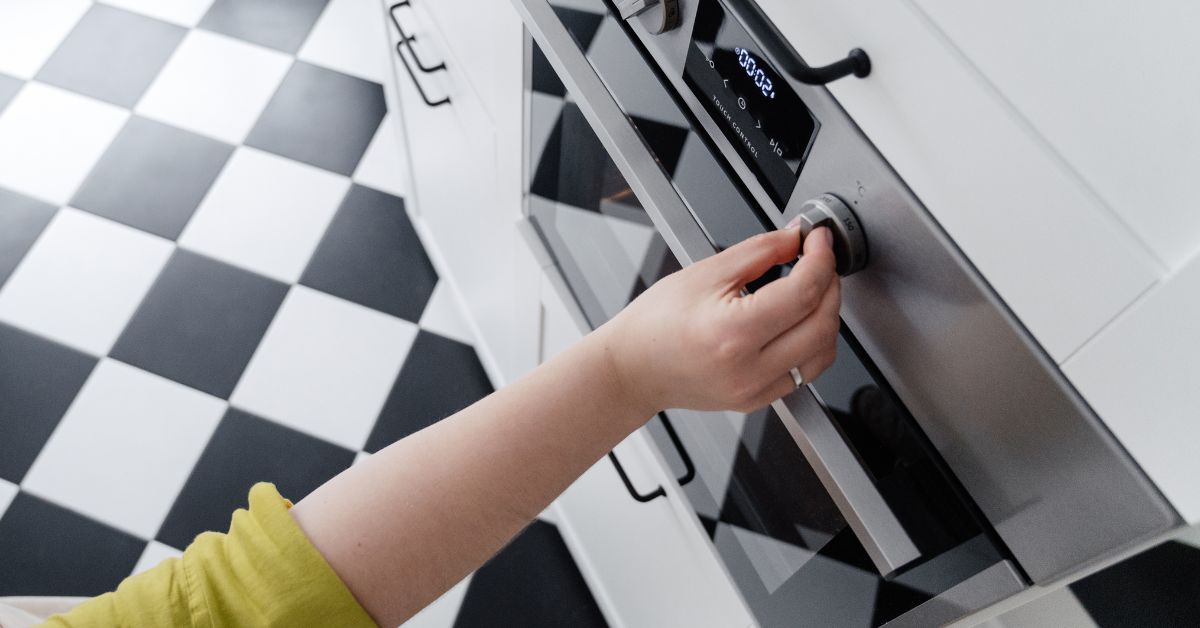
Ovens are another energy guzzling appliance with an average power rating of 2000-2200w.
A per hour cost of £0.56-£0.62
If you cook in your oven at least once a day, that’s costing you £3.92-£4.34 a week for an hour’s use each time – that’s without considering anything that might be cooking on the hob and if you cook more than one meal a day.
Tips for reducing your usage
- Use a slow cooker – 8 hours in a slow cooker will cost between 16p and 33p.
- Turn the oven off a few minutes early and use the residual heat to finish off your food.
- Clean regularly (and once clean use oven liners) – again, a dirty appliance has to work harder to perform which uses more energy. Your oven will take longer to heat up if it has to get through layers of caked on grease and food debris first.
- Put metal skewers through joints of meat and potatoes to help them cook faster.
Grill/Hob
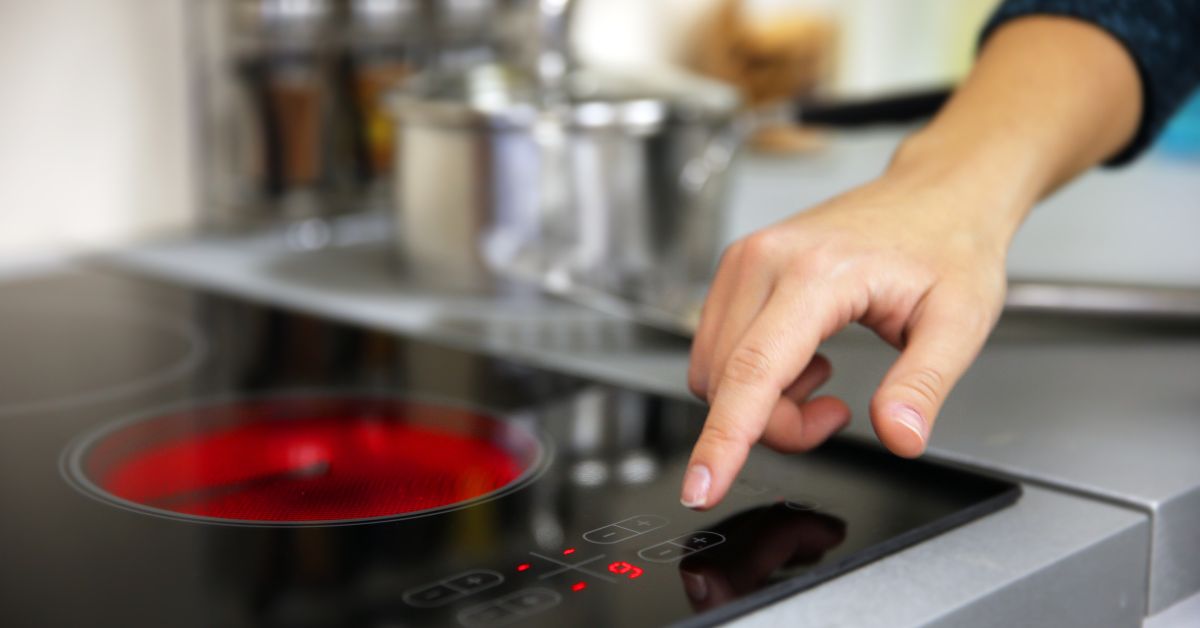
The grill and hob can cost just as much to run as the oven does – so if you’re cooking pasta on the stove top while your meat is in the oven your meal just got doubly expensive to make.
A grill/hob has an average power rating of 1000-2000w.
A per hour cost of £0.28-£0.56
Tips for reducing your usage
- Use the right sized pan for the hob ring you’re using.
- Put lids on pots to retain heat and reduce the cooking time/heat needed.
- Turn rings off early and finish food using the residual heat.
- Flat bottomed pans allow heat to disperse more easily than rounded ones.
Dishwasher
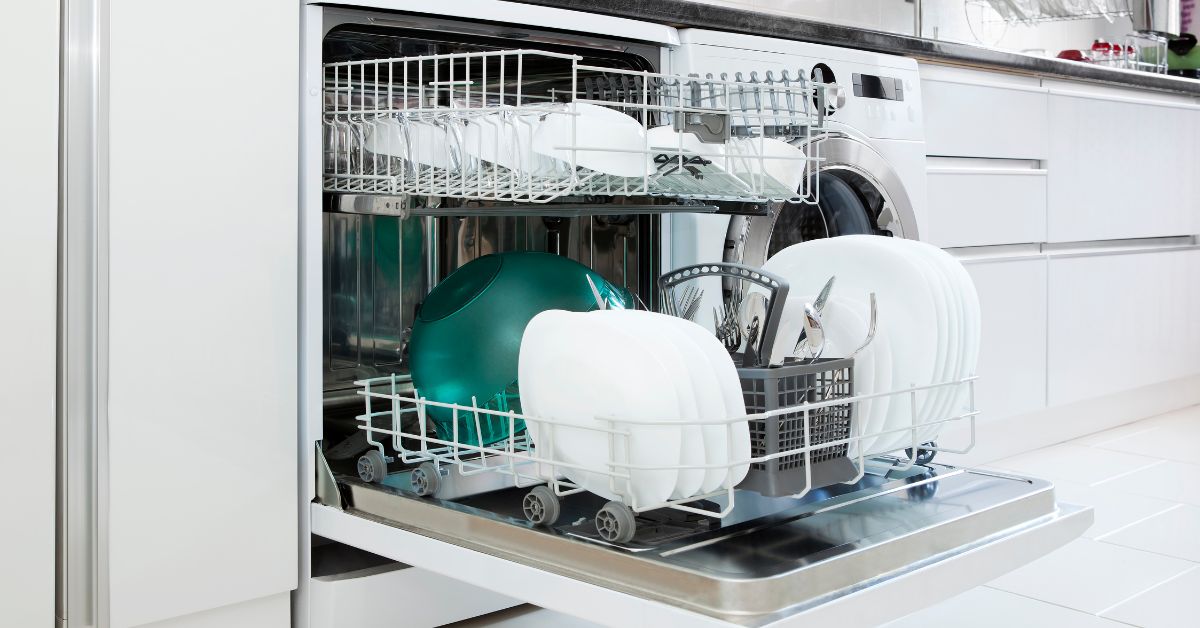
It’s generally more energy efficient to use a dishwasher than wash by hand but if you rinse your dishes first (using more energy to heat the tap water) it might be less.
A dishwasher has an average energy rating of 1050-1500w.
A per hour cost of £0.29-£0.42
Tips for reducing your usage
- Don’t pre rinse – scraping food debris is enough, the dish detergent needs something to cling to anyway.
- Ensure the dishwasher is full (but not too full as they won’t clean properly and you’ll need to run it again!).
- Keep the filter clean.
- Use the correct cycle for what you’re cleaning (you don’t need a pots and pans cycle for a few plates that had sandwiches on!).
- Use eco mode if available.
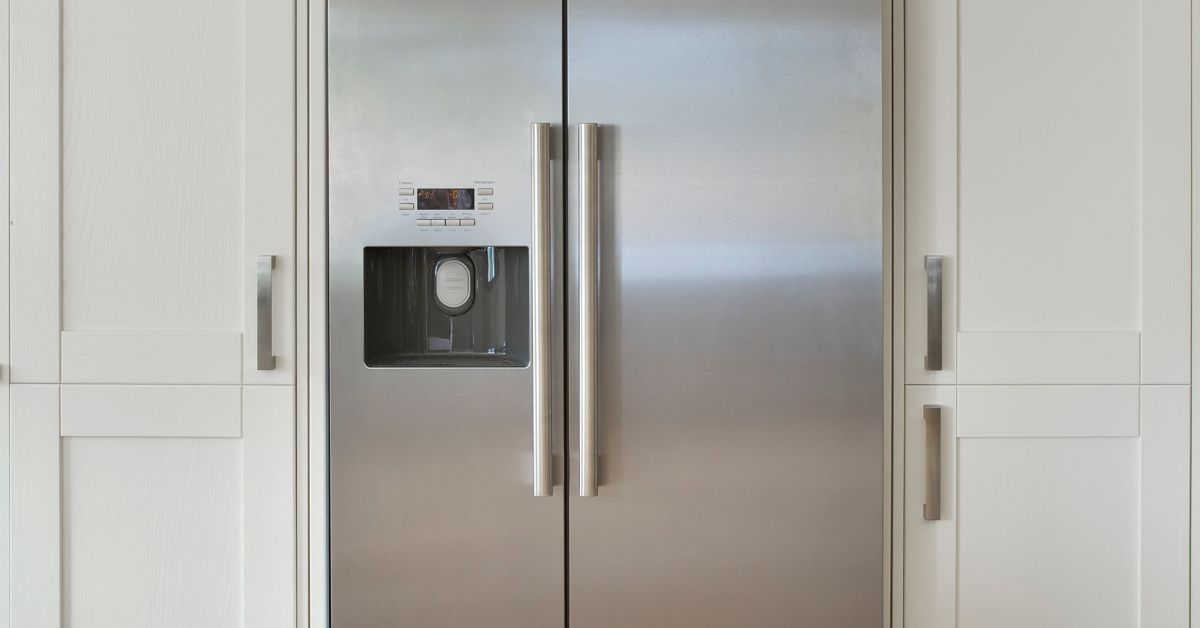
Fridge-freezer
The fridge freezer is one of the cheaper appliances on this list to run – and thank goodness for that because you can’t turn them off to save energy!
A per hour cost of £0.06-£0.11
There are ways you can still reduce the energy consumption though.
Tips for reducing your usage
- Ensure your fridge is organised – if you don’t have to spend time rummaging around to find something, the door won’t be open as long. Every time the door is opened, the fridgefreezer has to work harder to get everything cold again.
- Defrost frozen food overnight in the fridge instead of during the day at room temperature – it’ll help keep the fridge cool
- Clean the coils on the back of the fridge – they collect dust which makes the appliance overheat and have to work even harder to keep it’s low temperature.
- Ensure the temperature dial is set correctly – if your fridge is freezing everything on the top shelf, it’s set too cold!
Microwave
Microwaves are a convenience appliance but that convenience is costly – they can use just as much energy as a dishwasher!
A per hour cost of £0.17-£0.42
Tips for reducing your usage
- Try living without – you’d be surprised how little you actually need to use a microwave when you don’t have access to one.
- Defrost food in the fridge – of course this requires some forward thinking but is much better than defrosting in the microwave anyway.
How to Use Less Energy
There are hundreds of little tips you can utilise to reduce your energy consumption and therefore save money.
But here are some broader ideas to consider:
- Check the energy efficiency rating of new appliances that you’re considering buying.
- Take good care of the appliances you already own – regular cleaning and maintenance will improve efficiency and longevity.
- Switch it off when it’s not in use!